





Subject Introduction and Features
Physics is one of the most fundamental natural sciences.
It involves
- the study of universal laws, and
- of the behaviours and relationships among a wide range of physical phenomena.
Course Objectives
The learning targets of physics curriculum are categorized into three domains: knowledge and understanding, skills and processes, and values and attitudes. For example:
1. Knowledge and Understanding
understand phenomena, facts and patterns, principles, concepts, laws, theories and models in physics; and
learn the vocabulary, terminology and conventions used in physics.
2. Skill and Processes
identify attributes of objects or natural phenomena;
identify patterns and changes in the natural world and predict trends from them;
examine evidence and apply logical reasoning to draw valid conclusions;
present concepts of physics in mathematical terms whenever appropriate; and
examine theories and concepts through logical reasoning and experimentation.
3. Values and Attitudes
appreciate achievements in physics and recognize their limitations; and
apply the knowledge and understanding of physics rationally in making informed decisions or judgments on issues in their daily lives.
Course Structure
The core curriculum of physics includes topics such as "Thermal Physics and Gas Laws," "Forces and Motion," "Waves," "Electricity and Magnetism," and "Radiation and Nuclear Energy." Additionally, schools may offer different elective parts based on students' interests and abilities, which could include subjects like "Astronomy and Space Science," "Atomic World," "Energy and the Use of Energy," and "Medical Physics." Both the core and elective parts involve many daily life examples and applications, and the addition of astronomy and space science offers students an opportunity to broaden their horizons.
Career Path for Students
This curriculum of physics makes it possible for students to pursue a degree or sub-degree course in a specialised study or other discipline which treasures a good foundation of knowledge and skills in physics, and values and attitudes. The ability to apply physics knowledge and skills to daily life phenomena will enable students to study effectively in a variety of vocational training courses. Furthermore, the development of logical thinking and problem-solving skills among students will be valued in the workplace.
Useful links/resources
http://www.hk-phy.org
http://www.hk-phy.org/contextual
https://cd1.edb.hkedcity.net/cd/science/tc/links/links_phy_c.ht
Event Highlights
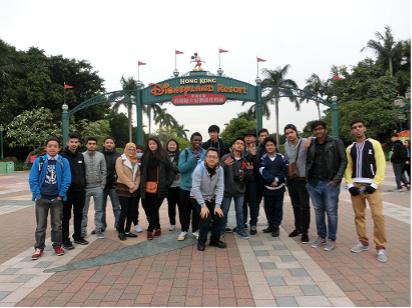
Disney's World of Physics
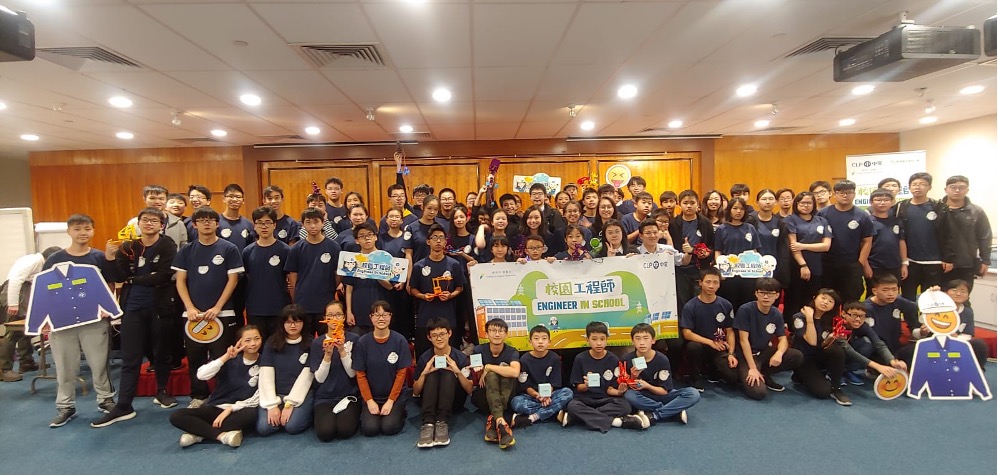
The “Engineer in School” programme
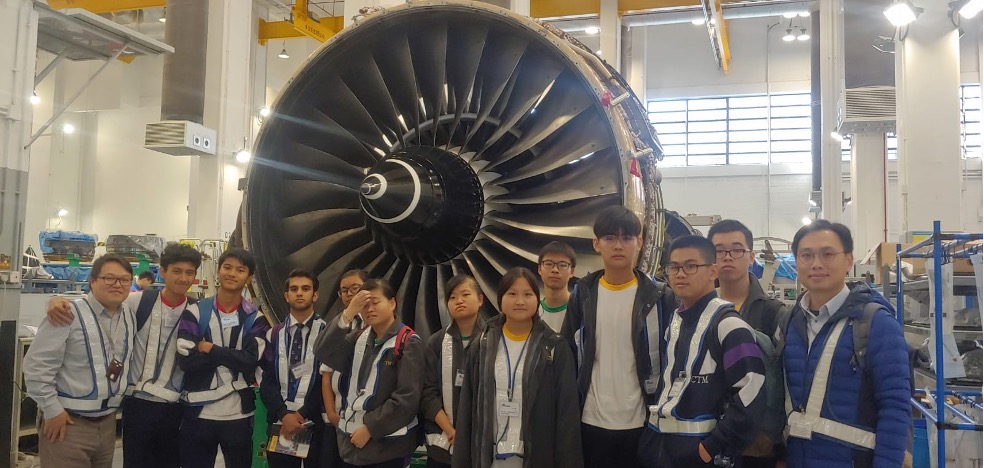
Company visit: Hong Kong Aviation Engine Maintenance Services Limited (HAESL)
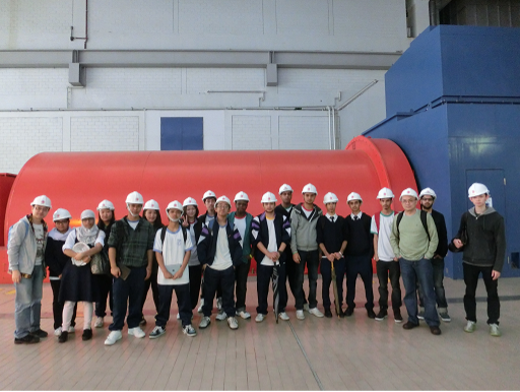
The visit to Lamma Power Station

 Instagram
 Y
Y Facebook